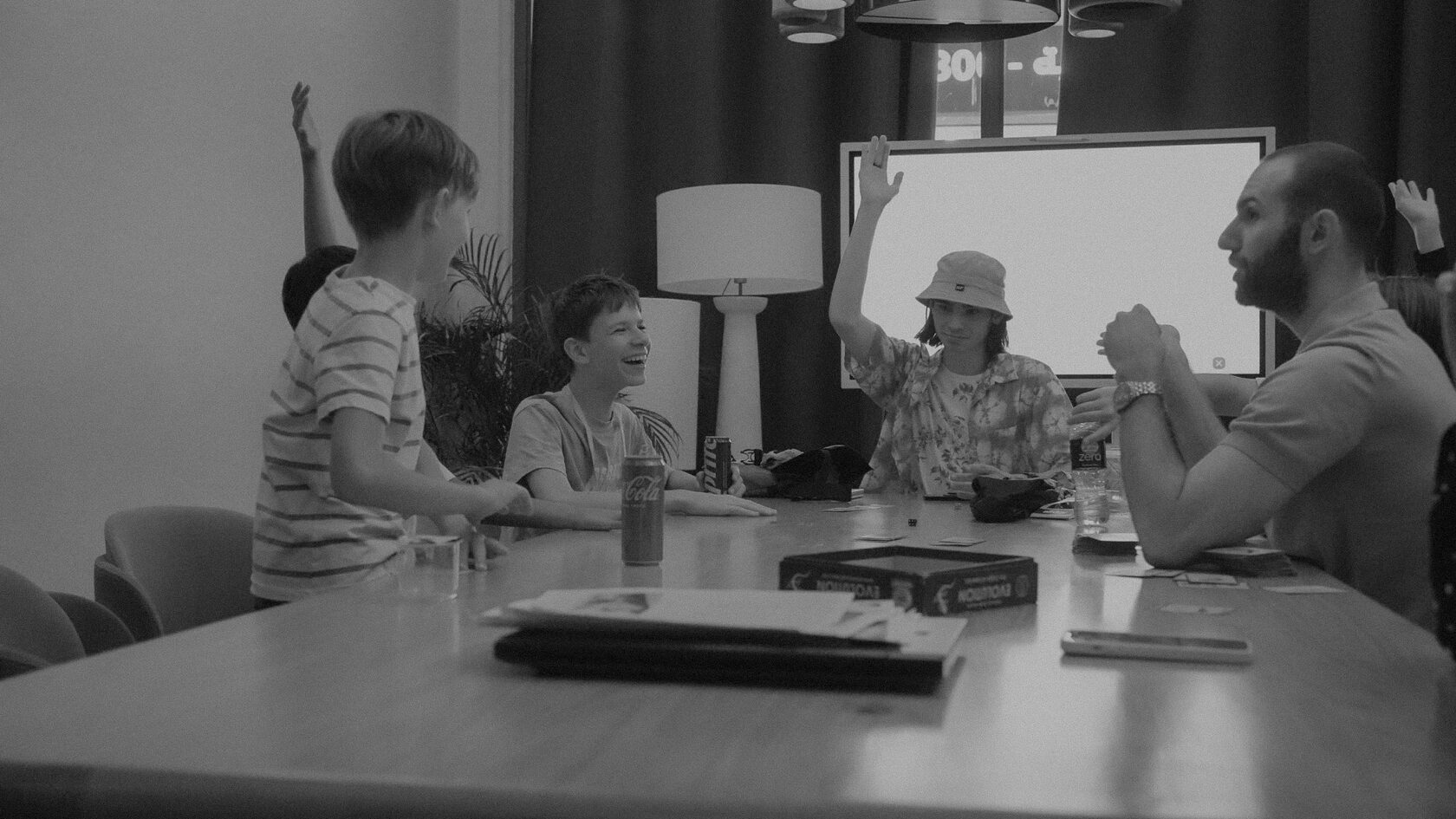
Last year, we had a student (let’s call him Sasha) who always won. Or at least, almost always.
During our strategy games, Sasha was truly formidable. In many ways, his foresight surpassed that of most adults. He was used to arriving, winning, and leaving. He simply didn't know that any other outcome was possible.
During our strategy games, Sasha was truly formidable. In many ways, his foresight surpassed that of most adults. He was used to arriving, winning, and leaving. He simply didn't know that any other outcome was possible.
The Day Everything Went Off-Script
We were playing Evolution — a game that requires instant adaptation to new conditions. That day, the other players acted unpredictably, luck wasn't on his side, and in the end... Sasha took last place.
He didn't make a scene or argue. He simply stood up, shrugged, and left. We didn't see Sasha again for over a month.
Later, his parents told us that it had been a genuine shock for him. Because Sasha had never lost before, he didn't know how to process this new feeling of defeat. He lacked a psychological "immunity" to failure.
He didn't make a scene or argue. He simply stood up, shrugged, and left. We didn't see Sasha again for over a month.
Later, his parents told us that it had been a genuine shock for him. Because Sasha had never lost before, he didn't know how to process this new feeling of defeat. He lacked a psychological "immunity" to failure.
The Return and a New Level of Flexibility
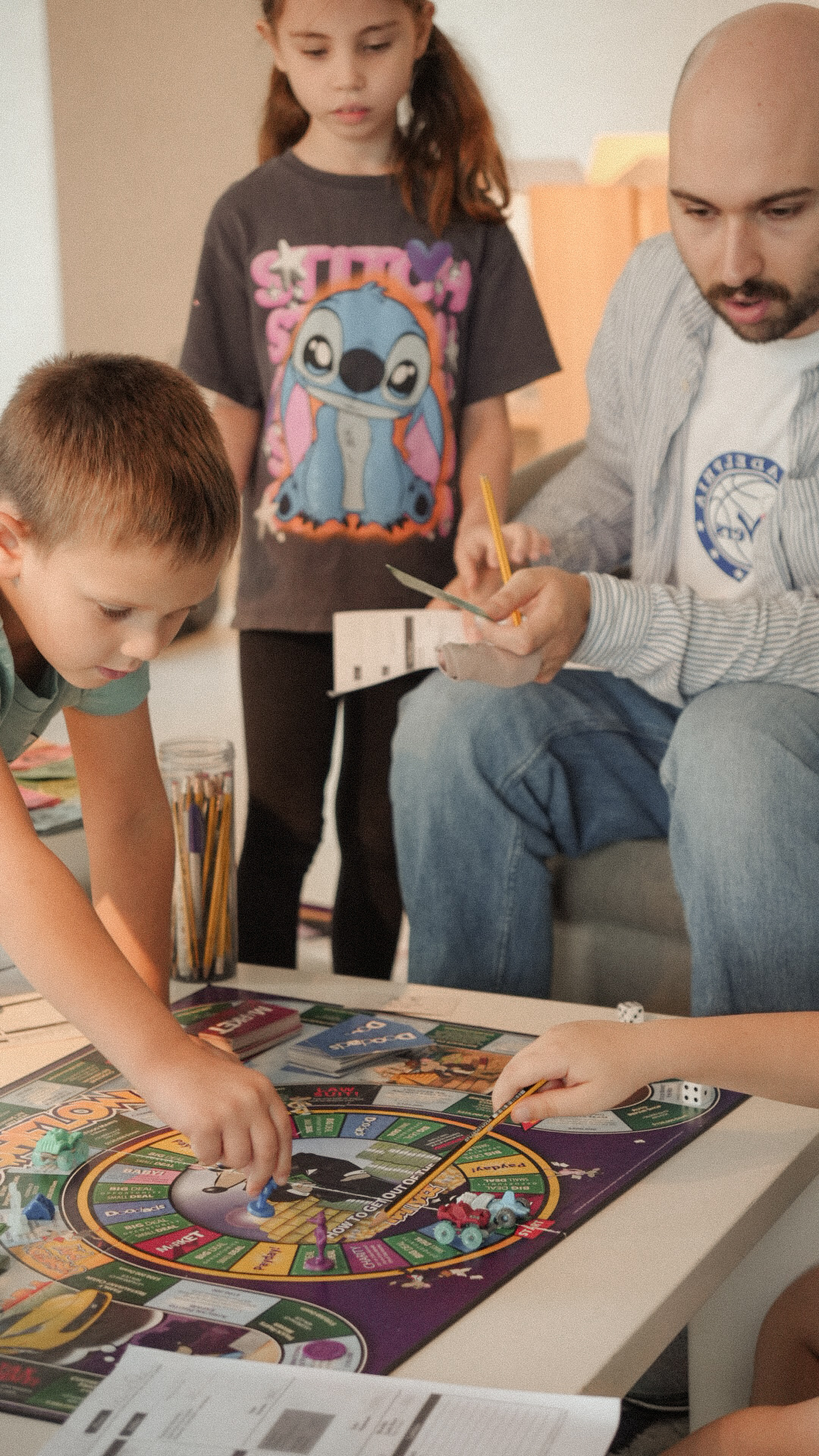
Eventually, Sasha returned, but he was a different player: calmer, more flexible, and—as his parents noted—much more relaxed about setbacks. He had "digested" the experience and become more resilient.
Do you know what his parents thanked us for the most? The fact that we didn't "let him win." We didn't try to "save" Sasha from uncomfortable feelings or artificially engineer a victory just to keep the champion happy.
Do you know what his parents thanked us for the most? The fact that we didn't "let him win." We didn't try to "save" Sasha from uncomfortable feelings or artificially engineer a victory just to keep the champion happy.
A Victory Greater Than Any Trophy
Through our feedback (supported by his parents), we let Sasha know that we sincerely respected him for the dignified way he accepted the result. Losing without losing face is a massive victory over oneself. As it turned out, recognizing his fortitude had a deeper impact on him than all his previous triumphs combined.
It is in these moments—through honest play and a refusal to sugarcoat reality—that psychological resilience is formed. A child learns to analyze their actions, respect the success of others, and, most importantly, never fear trying again.
It is in these moments—through honest play and a refusal to sugarcoat reality—that psychological resilience is formed. A child learns to analyze their actions, respect the success of others, and, most importantly, never fear trying again.
Discover our programs: Skill Kid classes
