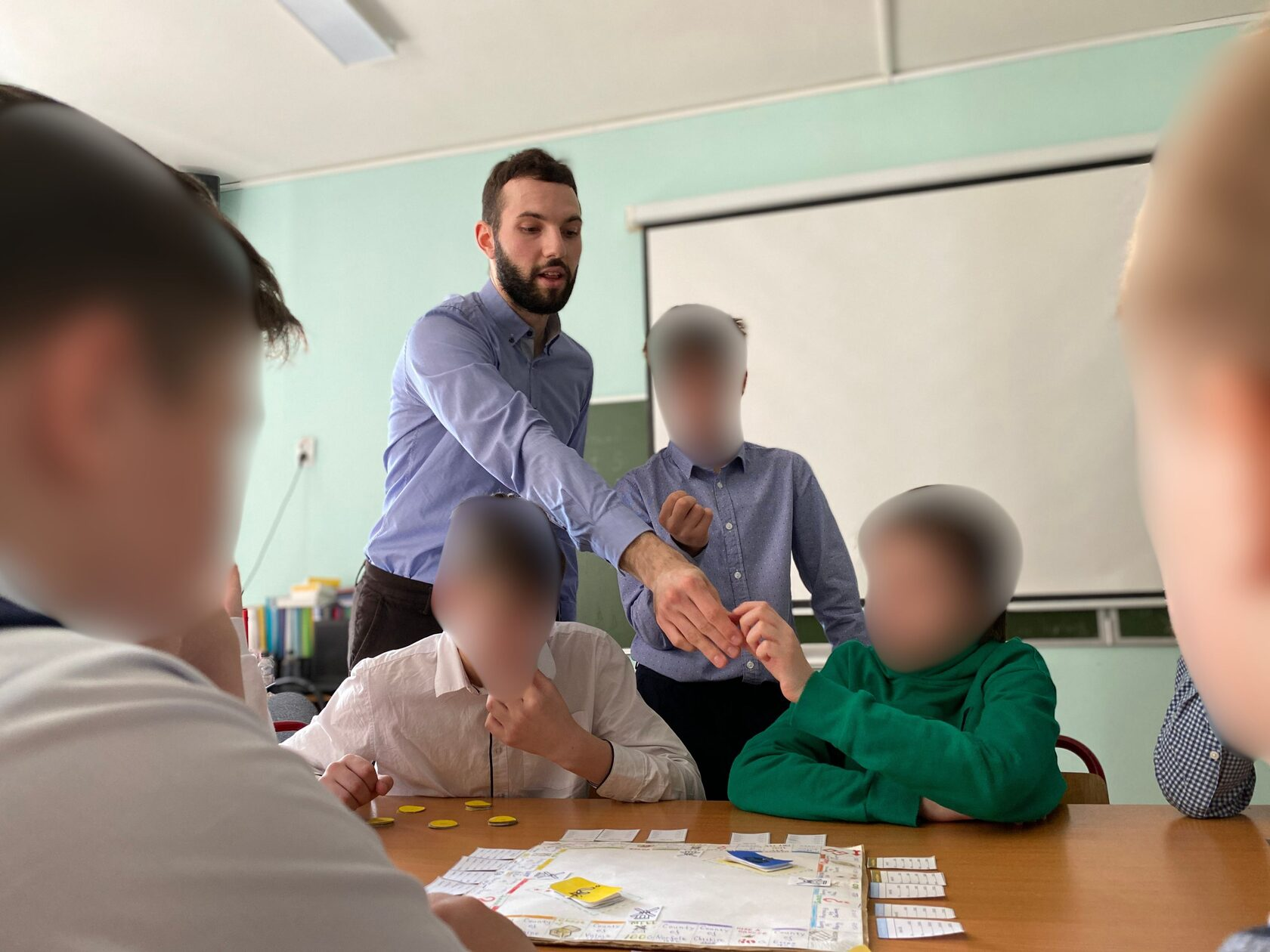
Student: Kirill, 12 years old
Mentor: Pavel
Result: A playable board game prototype and a successful school presentation within 30 days.
Mentor: Pavel
Result: A playable board game prototype and a successful school presentation within 30 days.
The Starting Point: The Paralysis of the Unknown
Kirill dreamed of creating a large-scale computer game. However, he immediately faced the classic "paralysis of choice." The scale of the task was so immense that he didn’t know where to start, subconsciously avoiding the work by distracting himself with YouTube and video games.
Adults often mistake this for laziness. In reality, the prefrontal cortex—responsible for planning and self-control—is still actively developing in teenagers. When the brain sees a task that is too complex or undefined, it perceives it as a threat and "shuts down" motivation to conserve energy.
The Mentoring Method: From Chaos to System
To break this barrier, we applied a decomposition strategy—breaking a global goal into tangible micro-steps.
- Shift of Focus (MVP): We decided to build a board game version first. This allowed Kirill to focus on game design and logic without getting bogged down in complex programming early on.
- The Small Wins System: We broke the development process into 15–20 minute segments. Every completed task (drawing a map, balancing the economy) provided an immediate dopamine hit, turning "hard work" into an engaging quest.
- The Zone of Proximal Development: Tasks were designed to be slightly more challenging than what Kirill could do alone, but achievable with a mentor’s guidance. This maintained excitement without triggering stress.
The Result
In just one month, Kirill completed a full development cycle:
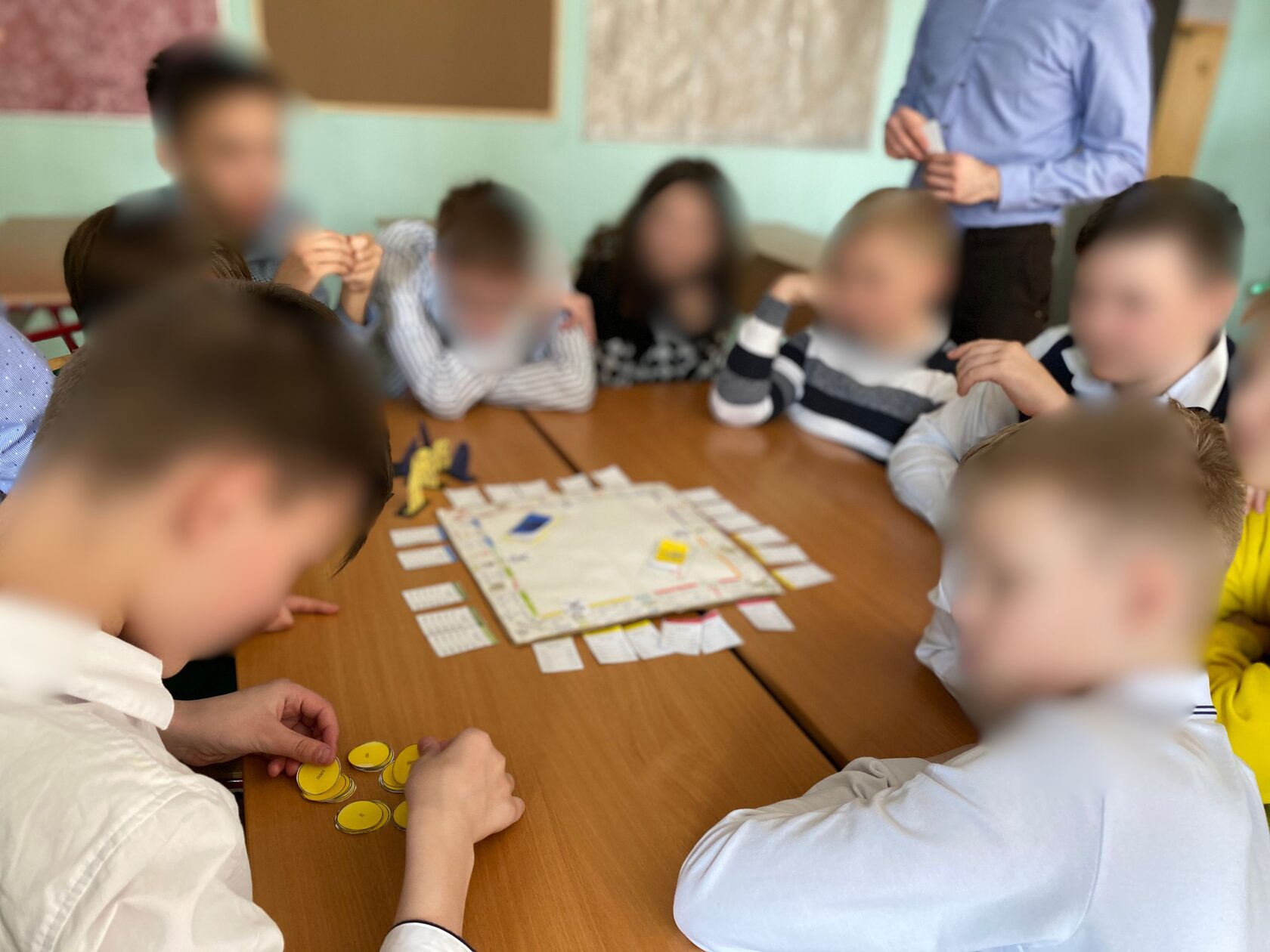
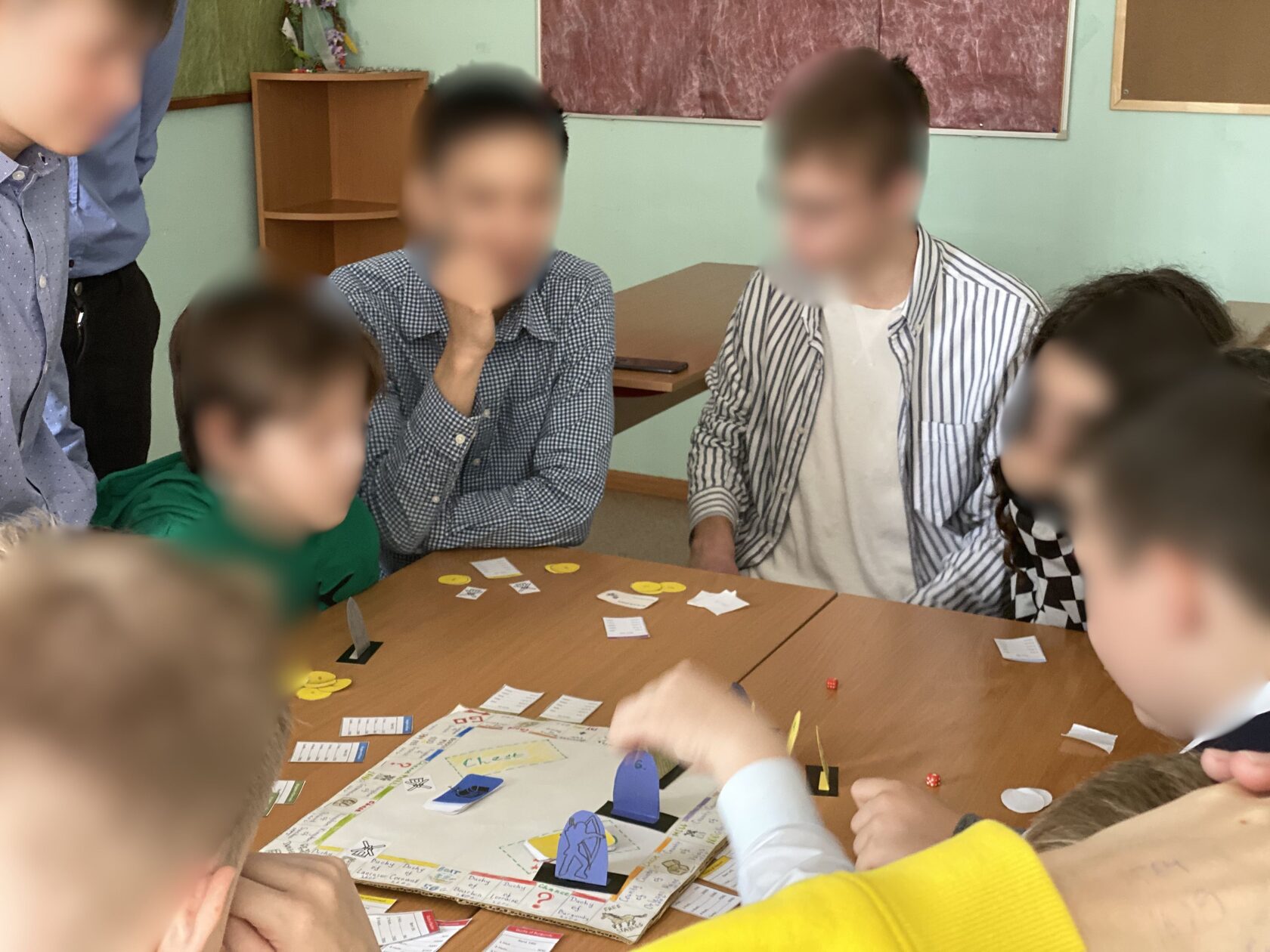
- The Product: A finished board game with a balanced set of rules and a unique setting.
- Social Success: Kirill independently organized and hosted the first gaming session for his classmates.
- Personal Growth: The most vital result wasn't the game itself, but the experience of finishing what he started. At 12, this success builds a lasting neural connection: "I can handle any uncertainty if I have a plan."
Analysis of the Impact
For me, Kirill’s project is the perfect illustration of how a systematic approach conquers chaos. During these sensitive years, a child is forming their identity.
If they get stuck in a pattern of procrastination, it reinforces a "failure loop." Through this project, we practiced skills applicable to any future business or academic pursuit:
If they get stuck in a pattern of procrastination, it reinforces a "failure loop." Through this project, we practiced skills applicable to any future business or academic pursuit:
- Decomposition: Kirill mastered the mechanics of breaking a frighteningly large task into simple, executable steps—the core of project management.
- Consumer to Creator: He stopped being just a player and gained the perspective of a designer, seeing the systems, rules, and economy hidden behind the interface.
- The "Release" Experience: Launching the game at school was a full product release—handling feedback and gaining public recognition.
- Resource Management: We taught him to find resources where he previously saw dead ends (using TRIZ-based thinking). If you lack coding skills, start with paper! The working model is what matters.
Looking back, I remember our work with a sense of warmth and pride. I was 24 when we started, and even then, I realized how crucial it is to support a child during this sensitive period—helping them transition from being a 'consumer' to becoming a 'creator'.
Learn more about the program: Project Mentoring
